Pets
-
 Super Admin
Posted on : 26 Sep 2026


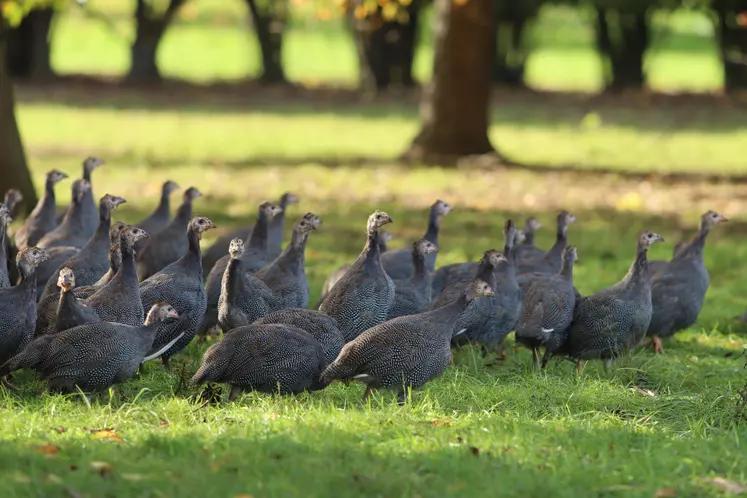
With their beautiful spotted feathers, unique helmet-like head and loud calls, Guinea Fowl are one of the most distinctive birds you can see. They are active, social and excellent foragers.
At Wingsland Exotic Park, Nellipoyil, visitors can discover these fascinating birds and learn about their natural behaviour.
Guinea fowl are native to Africa, particularly regions south of the Sahara. The Helmeted Guinea Fowl (Numida meleagris) is one of the best-known species and has also been domesticated in many parts of the world.
Some commonly known guinea fowl types include:
The Pearl Guinea Fowl is particularly recognizable for its dark feathers covered with small white spots.
Guinea fowl are omnivorous foragers. Their diet can include:
🌾 Grains and seeds
🌿 Grass and plant material
🐛 Insects and other small invertebrates
🥬 Suitable vegetables
💧 Fresh, clean water
Young guinea fowl, called keets, require a suitable high-protein starter diet during their early growth.
Guinea fowl are active birds that need enough space to walk, forage and explore.
A suitable enclosure should provide:
They can fly surprisingly well, so secure fencing or covered enclosures may be necessary.
Guinea fowl reproduce by laying eggs. The female usually lays a clutch in a concealed nest on the ground.
After incubation, the eggs hatch into keets. Young keets require warmth, protection and appropriate nutrition during their early development.
Guinea fowl can experience:
Clean housing, proper nutrition, fresh water and regular health monitoring are important.
🐦 Guinea fowl are excellent foragers.
🐦 They are known for their loud and distinctive calls.
🐦 They are social birds and often stay together in groups.
🐦 Their spotted feathers provide a very distinctive appearance.
🐦 Young guinea fowl are called keets.