Pets
-
 Super Admin
Posted on : 26 Sep 2026


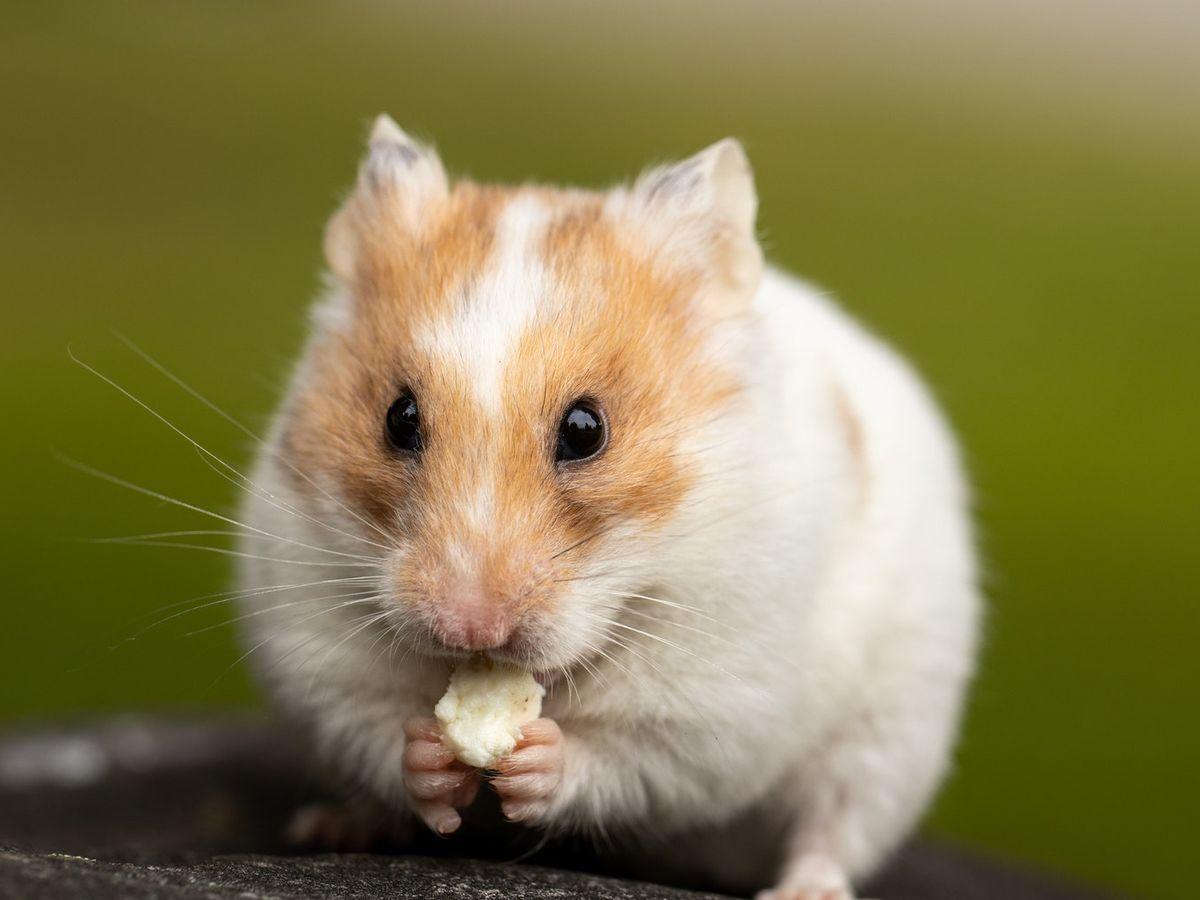
The Syrian Hamster (Mesocricetus auratus), also known as the Golden Hamster, is one of the most popular hamster species kept as a companion animal. With its soft fur, round body and curious nature, this adorable little mammal is a favorite among children and animal lovers visiting Wingsland Exotic Park, Nellipoyil.
Syrian Hamsters are naturally found in Syria and parts of southern Turkey. In the wild, they live in dry environments and spend much of their time in underground burrows.
They are primarily nocturnal, meaning they are generally more active during the evening and night.
Syrian Hamsters are known for their compact body and soft coat. They commonly have:
There are also many captive-bred coat colors and patterns.
Syrian Hamsters are omnivores and benefit from a balanced diet.
Suitable foods can include:
Fresh food should be offered in appropriate quantities to avoid spoilage and obesity.
A Syrian Hamster needs a safe, spacious and enriched environment. Good care includes:
Because they are naturally active at night, they should have opportunities to exercise and explore during their active hours.
Syrian Hamsters are generally solitary animals. Unlike some dwarf hamster species, adult Syrian Hamsters should normally be housed individually to reduce the risk of territorial fighting.
They can become friendly with gentle, consistent handling, but they should always be approached calmly and allowed to get accustomed to human interaction.
Syrian Hamsters can reproduce at a young age and have relatively short gestation periods. A female can produce multiple pups in a litter.
Breeding should be carefully planned because hamsters reproduce quickly, and mothers require a quiet environment, proper nutrition and adequate care while raising their young.
Common health concerns can include obesity, dental problems, skin conditions, respiratory problems and digestive issues. A clean habitat, appropriate diet, exercise and regular observation are important.
Signs such as loss of appetite, unusual lethargy, breathing difficulties, diarrhea or sudden changes in behavior should be evaluated by a qualified veterinarian.
At Wingsland Exotic Park, Nellipoyil, visitors can get a closer look at the fascinating world of small animals and discover the charming Syrian Hamster.
From their tiny paws and cheek pouches to their natural burrowing behavior, these little creatures offer an interesting glimpse into the world of small mammals. 🐹❤️
Visit Wingsland Exotic Park, Nellipoyil, and discover more adorable animals and exotic birds!