Pets
-
 Super Admin
Posted on : 26 Sep 2026


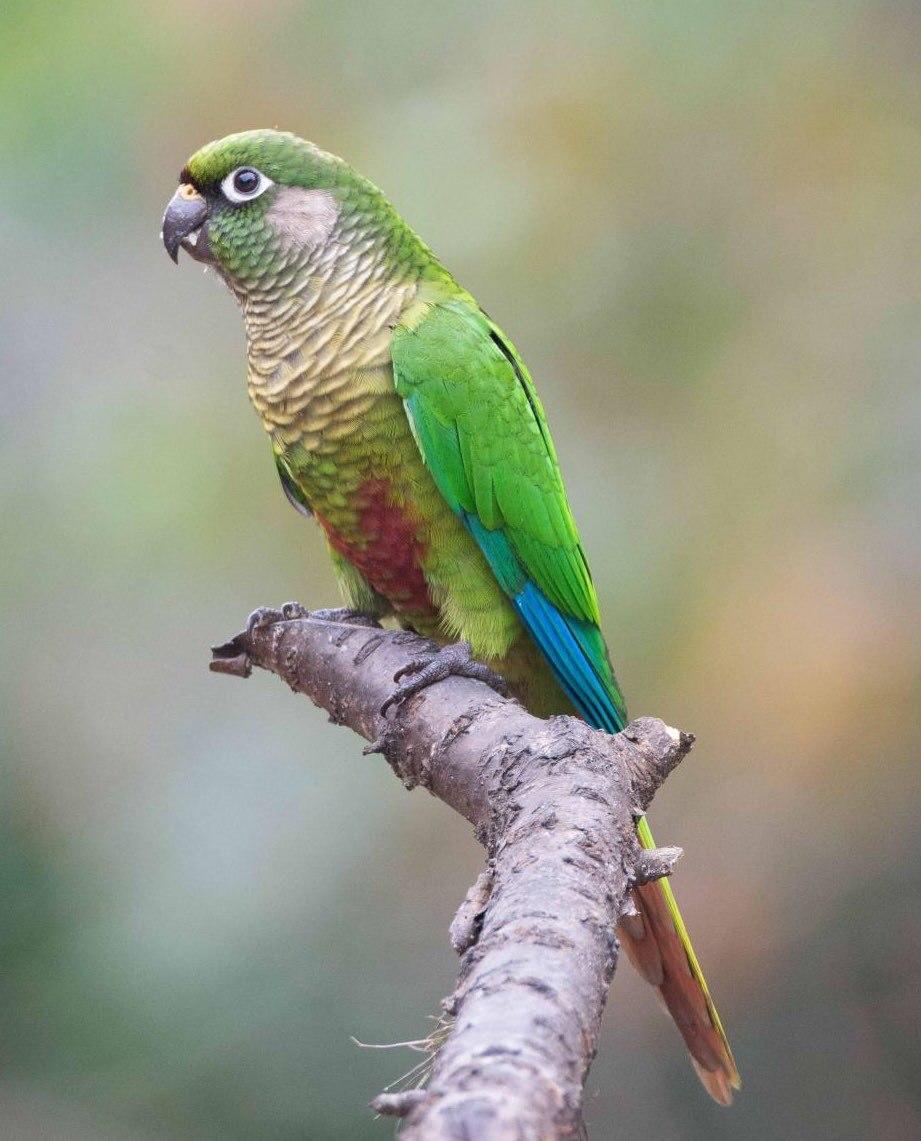
The Green-Cheeked Conure (Pyrrhura molinae) is a small, intelligent and playful parrot known for its beautiful green plumage, colorful chest and long tail. Its friendly personality and lively behavior make it a fascinating bird to observe at Wingsland Exotic Park, Nellipoyil.
Green-Cheeked Conures are native to South America, particularly regions of Bolivia, Brazil, Argentina and Paraguay. In their natural habitat, they live mainly in forests, woodland and areas with dense vegetation.
They are social birds and are commonly seen living in pairs or small groups.
The Green-Cheeked Conure gets its name from its distinctive green cheeks. It typically has:
Different captive-bred color mutations can produce a variety of beautiful appearances.
In the wild, these conures feed on a variety of plant-based foods, including fruits, seeds, flowers and other vegetation.
A balanced captive diet can include:
A varied diet is important for maintaining healthy feathers, bones and overall well-being.
Green-Cheeked Conures are active, curious and intelligent. They need more than just food and shelter. Good care includes:
Their playful nature means they enjoy exploring and interacting with their surroundings.
Green-Cheeked Conures generally form strong pair bonds and naturally nest inside tree cavities. During breeding, the pair needs a secure nesting area, nutritious food and a calm environment.
A typical clutch may contain several eggs, with incubation and chick-rearing requiring careful attention. Responsible breeding should be carried out with appropriate knowledge and veterinary support when needed.
Proper nutrition, hygiene and exercise are important for keeping Green-Cheeked Conures healthy. Potential health concerns can include nutritional deficiencies, obesity, respiratory problems, parasites and feather-related disorders.
Changes in appetite, activity, droppings, breathing or feather condition should be taken seriously, and suspected illness should be evaluated by an avian veterinarian.
At Wingsland Exotic Park, Nellipoyil, visitors can discover the fascinating world of colorful and exotic birds, including the playful Green-Cheeked Conure.
Its bright colors, curious nature and energetic personality make this little parrot a favorite among bird lovers, families and children.
Come to Wingsland Exotic Park, Nellipoyil, and experience the beauty of exotic birds up close!