Pets
-
 Super Admin
Posted on : 26 Sep 2026


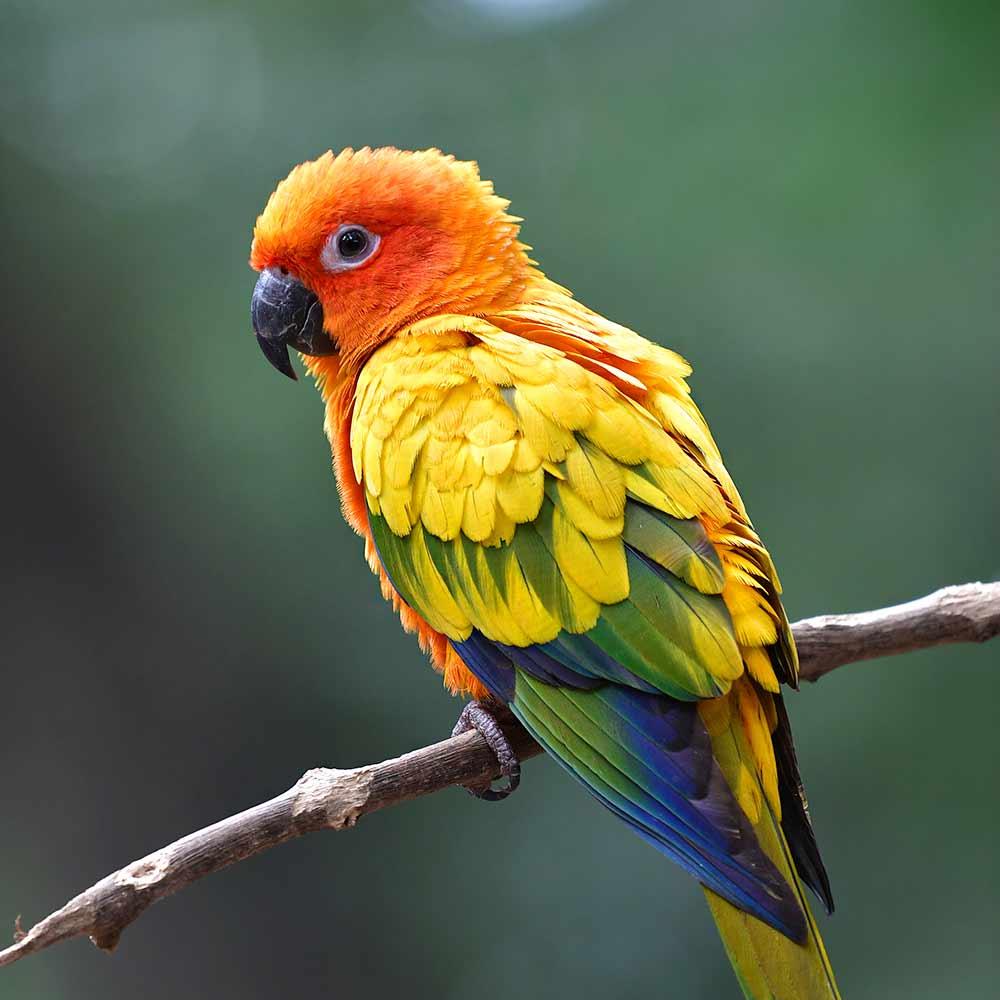
When you visit Wingsland Exotic Park, Nellipoyil, one of the most eye-catching birds you can meet is the Sun Conure (Aratinga solstitialis). With its brilliant yellow, orange, green and blue plumage, this small parrot truly looks like a burst of sunshine.
The Sun Conure is native to northeastern South America, where it occurs in tropical savannahs, woodland areas, scrublands and palm-rich habitats. It is a highly social bird and is often associated with groups or pairs.
The species is currently classified as Endangered in the wild, making responsible conservation and captive care especially important.
Sun Conures are famous for their spectacular colors:
Their adult coloration becomes especially vivid as they mature.
A healthy and varied diet is important. In the wild, Sun Conures eat fruits, berries, seeds, nuts, flowers and other plant material.
For captive birds, a balanced diet can include:
A seed-only diet should be avoided because it may not provide complete nutrition.
Sun Conures are intelligent, active and social birds. They need adequate space, exercise, toys, enrichment and regular interaction. Their environment should be kept clean, safe and comfortable, with fresh food and water provided every day.
They are also naturally vocal birds, so their lively calls are part of their normal behavior.
Sun Conures generally form strong pair bonds. In the wild, they nest in tree cavities, including cavities in palms. A typical clutch contains around 3–4 eggs, with incubation lasting approximately 23–27 days. Chicks usually begin fledging around 7–8 weeks after hatching.
Breeding birds require particularly careful nutrition, nesting conditions and veterinary supervision.
Regular observation is important because changes in appetite, droppings, feather condition, activity or behavior can indicate illness. Good nutrition, hygiene, exercise and appropriate veterinary care help maintain their well-being.
Common care concerns can include nutritional deficiencies, feather problems and reproductive complications. Any suspected illness should be assessed by a qualified avian veterinarian rather than treated with medicines without professional guidance.
The vibrant Sun Conure at Wingsland Exotic Park, Nellipoyil is a wonderful opportunity to observe one of nature's most colorful parrots up close. Its brilliant plumage, energetic personality and distinctive calls make it a memorable attraction for bird lovers and families.
Visit Wingsland Exotic Park, Nellipoyil, and discover the colorful world of exotic birds!